
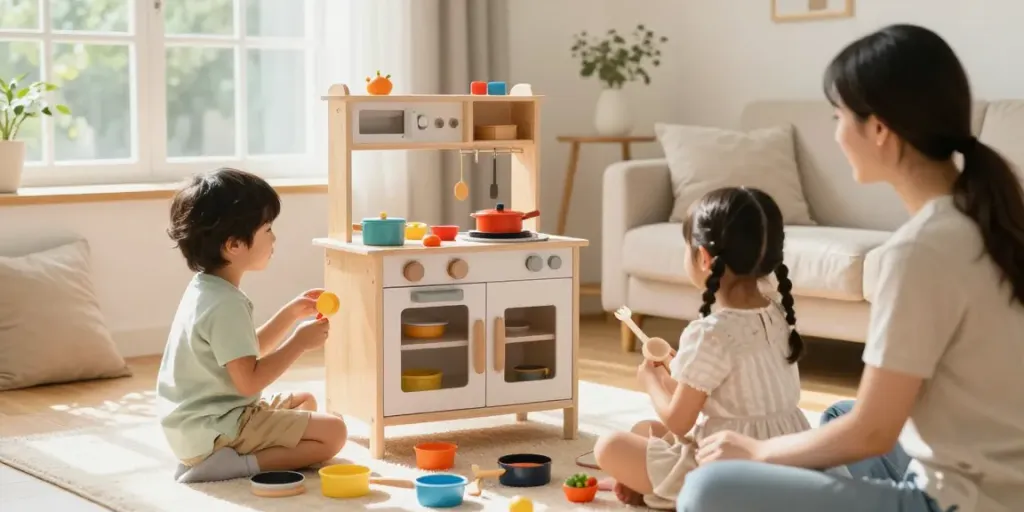
The Allure of Wooden Kitchens: Why Every Child Needs One
In an age dominated by technology and digital play, the traditional wooden kitchen stands out as a cherished item that brings back nostalgic memories of childhood. These beautifully crafted wooden kitchen are not merely toys but essential tools for child development, fostering creativity and imagination in young minds. Parents today are increasingly recognising the numerous benefits these playsets offer, ensuring they remain a staple in playrooms everywhere.
Benefits of Wooden Kitchen Sets for Child Development
Wooden kitchen sets provide children with a plethora of developmental benefits. Firstly, they serve as a fantastic medium for imaginative play, allowing kids to replicate real-life scenarios. Such role-playing encourages them to develop critical thinking and problem-solving skills as they navigate their cooking adventures. Furthermore, playing with a wooden kitchen can enhance fine motor skills through the manipulation of various accessories, from pots and pans to food items.
Moreover, these kitchens can foster a sense of responsibility. When children pretend to cook or serve food, they learn about the importance of following recipes and managing time. This grounded play teaches them valuable life skills that they will carry into adulthood. The tactile experience of using wooden toys also helps improve sensory perception, making wooden kitchens an all-encompassing educational tool.
How Wooden Kitchens Foster Imagination and Play
The beauty of wooden kitchens lies in their simplicity. Unlike electronic toys, they do not dictate what children must do or how they must play. This opens up a world of creative possibilities. Children can create their own culinary stories, experimenting with different scenarios, whether it’s hosting a tea party or opening a restaurant. This unstructured play is crucial as it enables children to explore their creativity without limitations.
Moreover, wooden kitchens often come with accessories that can be tailored to various themes and narratives. From fruits and vegetables to pots and pans, these items inspire children to think about different cuisines and cultures, enriching their understanding of the world around them.
Durability and Eco-Friendliness of Wooden Toys
One of the standout features of wooden kitchens is their durability. Unlike plastic toys that may wear out or break easily, wooden kitchens can last for generations if well cared for. This longevity not only offers value for money but also aligns with sustainable practices, as wooden materials are often sourced from renewable resources. For eco-conscious parents, investing in a wooden kitchen is a step towards reducing plastic waste.
Additionally, wooden toys are generally safer and free from harmful chemicals often found in their plastic counterparts. They are sturdy enough to withstand the rough play of children while maintaining a safe and natural aesthetic that fits well within home environments.
Choosing the Right Wooden Kitchen: Key Features to Consider
When selecting the ideal wooden kitchen for your child, various factors should be considered to ensure it meets your child's needs and fits well in your home.
Size and Space Requirements for Your Home
The first step in choosing a wooden kitchen is to assess space availability. Measure the area where you intend to place the kitchen to ensure a good fit. Some kitchens are designed to be compact for smaller rooms, while others offer expansive setups ideal for larger play areas. It's essential to select a size that provides ample play space without overcrowding the room.
Essential Accessories to Enhance Play Experience
Accessories can significantly enhance the play experience. Look for kitchens that come with various utensils, pots, and food items that encourage pretend play. Some kitchens may even include additional features such as lights, sounds, or interactive elements that can introduce an exciting dimension to playtime. Furthermore, consider whether the kitchen incorporates role-playing opportunities, such as a phone or a chalkboard for menus, which can further enrich the imaginative play experience.
Safety Standards and Material Quality in Wooden Kitchens
Safety cannot be compromised when it comes to children's toys. Ensure that any wooden kitchen you consider complies with safety standards relevant to your country. Look for non-toxic finishes and rounded corners to prevent injuries. Quality of materials used is another crucial aspect; solid wood constructions tend to last longer and resist damage better than cheaper manufactured alternatives.
Creative Play Ideas with Wooden Kitchens
Beyond providing a platform for imaginative play, wooden kitchens can serve various educational and social purposes.
Themed Cooking Games for Kids
Themed play can significantly enhance the enjoyment of wooden kitchens. Parents can organise cooking games based on popular themes such as Italian cuisine, baking experiences, or multicultural food days. Not only does this encourage imaginative thinking, but it also provides a unique opportunity to introduce children to different cultures and cuisines.
Encouraging Collaborative Play and Social Skills
Wooden kitchens are perfect for promoting collaborative play. Children can engage with their peers, sharing tasks such as cooking, serving, and cleaning up. This interaction fosters social skills, teaching them about teamwork, patience, and cooperation. Group cooking activities can be a fun way to introduce concepts of sharing and taking turns.
Incorporating Educational Elements into Playtime
Parents can further enrich playtime by integrating educational components. For instance, while cooking, they can discuss measurements, basic math, and healthy eating habits, making the experience both fun and instructional. Storytelling can also be incorporated, where children invent recipes or tales about their culinary creations, enhancing language and literacy skills.
Maintaining Your Wooden Kitchen for Longevity
To ensure your wooden kitchen remains a cherished part of your child's playtime for years to come, proper maintenance is key.
Cleaning and Care Tips for Wooden Toys
Cleaning wooden toys requires a careful approach to preserve the material's quality. Use a damp cloth to wipe surfaces and avoid soaking the wood. For tougher stains, a mild soap diluted with water can be employed. Make sure to dry the surface thoroughly to prevent any damage.
Repairing and Restoring Wooden Kitchen Sets
Over time, wear and tear may occur. Minor scratches can often be treated with a wood polish or wax, while more significant damage might necessitate sanding and refinishing. A bit of care can restore your kitchen set to its original condition.
Best Practices for Storing Play Kitchens
When not in use, it's advisable to keep wooden kitchens in a dry, clean environment to prevent moisture damage. Ensure that they are stored away from direct sunlight to avoid fading. If your kitchen has removable parts, consider storing them in a dedicated container to prevent loss or misplacement.
Future Trends in Wooden Kitchen Designs and Play Toys
The world of children's toys is continually evolving, and wooden kitchens are no exception. Recognising trends can help parents make informed decisions about their purchases.
Emerging Designs: Eco-Friendly and Sustainable Trends
As the focus on sustainability increases, many manufacturers are adapting by creating eco-friendly wooden kitchens. These products are often made from responsibly sourced materials and feature non-toxic finishes, catering to an environmentally conscious market. Expect to see more brands prioritising recyclable packaging and ethical production processes.
Integrating Technology into Traditional Play
While wooden kitchens embody a return to traditional play, some companies are blending technology with their designs. This could include smart features, such as apps that teach recipes or integrate with digital cooking classes. Such innovations aim to provide a contemporary twist to classic playsets, marrying the old with the new.
The Role of Parents in Modern Play Activities
In the current landscape, the role of parents in facilitating and participating in play has grown crucial. Engaging with children during playtime encourages deeper connections and provides opportunities for shared learning. Parents can model behaviours, demonstrate skills, and enhance the overall play experience through their involvement.
What age is suitable for a wooden kitchen?
Wooden kitchens are generally suitable for children aged 3 and up, as they offer a safe and engaging environment for imaginative play.
Are wooden kitchens safe for children?
Yes, when constructed from quality materials and meeting safety standards, wooden kitchens are safe for children, providing a durable play option free from toxic chemicals.
How to integrate educational play into kitchen sets?
Incorporating educational elements can be easily achieved through themed games that cover maths, languages, and social skills, making playtime both fun and informative.
Where to buy quality wooden kitchen playsets?
Quality wooden kitchen sets are available from various retailers, both online and in-store. Ensure to check reviews and safety certifications before purchasing.
What accessories enhance the play experience?
Accessories such as pots, pans, utensils, and food items can greatly enhance a child's play experience, providing more opportunities for role-play and creativity.